How to Make a Spot-the-Difference Puzzle Book for Amazon KDP
Activity books are one of the few remaining low-content niches on Amazon KDP where demand is steady and competition is thin, because — unlike word search or sudoku — spot-the-difference interiors are hard to produce. There is no long-established generator for them, so most sellers either hand-build pages in Canva (slow) or skip the niche entirely. That difficulty is your moat.
Step 1: Pick a buyer, not just a keyword
The books that sell consistently in this niche are aimed at a specific person, usually a gift-giver:
- Seniors & memory care — "spot the difference for seniors", large print, easy difficulty. Bought by adult children and activity directors. The strongest and most durable sub-niche.
- Kids by age band — "spot the difference for kids ages 4–8". Bought by parents and grandparents; seasonal spikes at Christmas and summer holidays.
- Themed collections — ocean animals, space, farm animals. These stack with the age-band niches.
Search your candidate title on Amazon and check the best-seller rank of the top three results. A healthy target: existing books selling (BSR under ~200,000 in Books) but fewer than a page of direct competitors.
Step 2: Decide the format
- Trim size: 8.5″×11″ is standard for activity books and easiest to lay out — one puzzle per page, pictures stacked vertically. 6″×9″ works for travel-size books.
- Page count: 25–50 puzzles plus answer keys lands you at 60–110 pages, which prints economically and prices at $6.99–$9.99.
- Interior: color interiors cost more to print but this niche justifies it; premium color at $9.99 on a 60-page book still leaves ~$2–3 royalty. Black-and-white spot-the-difference is possible but harder to do well.
- Answer keys: always at the back, never facing the puzzle. Number every puzzle.
Step 3: Generate the interior
This is the step that stops most sellers, and the one we built this site for. With the Pro bulk generator you can produce an entire book interior in minutes:
- Choose a theme and difficulty (Easy for a seniors book; Medium for kids 6+).
- Select a KDP trim size (8.5″×11″ or 6″×9″) — pages are laid out with print margins automatically.
- Generate a 25- or 50-puzzle pack. You get one PDF: puzzles in front, numbered answer keys in back.
- Every puzzle has a seed number, so you can regenerate or swap any single page later.
The Pro license includes commercial use, so puzzles generated with it can be sold in your KDP books, Etsy printables, and activity packs. Each generated book is unique — two Pro users will never produce the same interior.
Step 4: Cover and listing
- Make the cover state the promise plainly: audience, puzzle count, "answers included", and "large print" if applicable. Browse the top sellers and match their information density, not their design taste.
- Title/subtitle carry your keywords: "Spot the Difference for Seniors: 50 Large-Print Picture Puzzles with Answers".
- Use all 7 backend keyword slots (variations: "find the difference", "picture puzzles", "activity book for elderly", etc.).
- Upload real interior pages in the listing images — buyers of activity books always check them.
Step 5: Publish, then iterate
One book rarely makes a business; a shelf does. The economics of this niche come from producing variations quickly: same format, new theme; same theme, new difficulty; holiday editions in September–October. With generated interiors, each additional book costs you an afternoon, not a month.
Honest expectations
A well-targeted activity book typically sells a handful of copies a day in season — call it $30–150/month per successful title, with occasional breakouts. The sellers who do well in low-content publishing treat it as a catalog game: ten decent books beat one perfect one. Your advantage here is that the interior — the hard 80% of the work — is now the fast part.
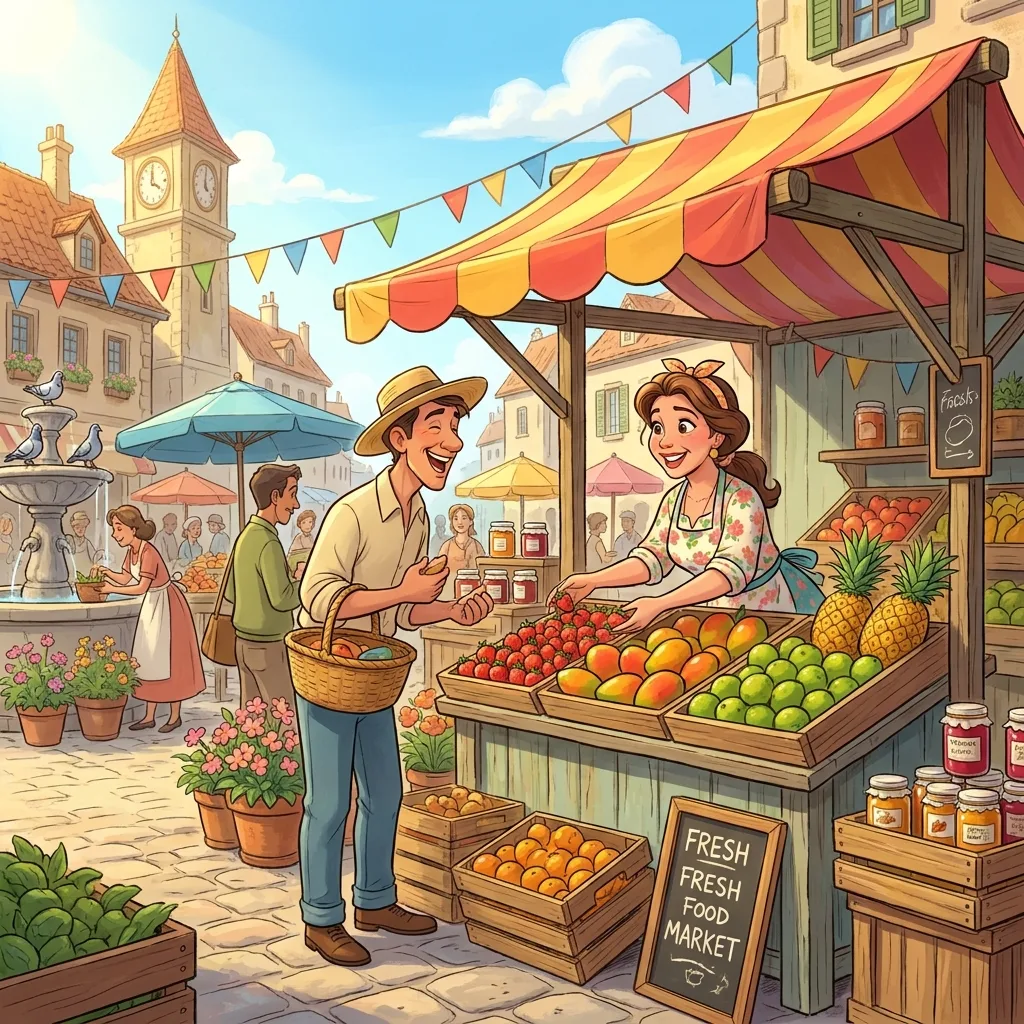
Try the free 3-puzzle sample pack first, then unlock 25/50-puzzle books with Pro.
See Pro — $29 one-time