Spot the Difference for Preschoolers
Hand a spot-the-difference puzzle made for eight-year-olds to a three-year-old and you'll watch it fail in about forty seconds: random pointing, a wild guess, and a request for a snack. Hand them the right puzzle and something different happens — pointing, naming, giggling at the cat that changed color, and "again!" This guide is about the difference between those two experiences.
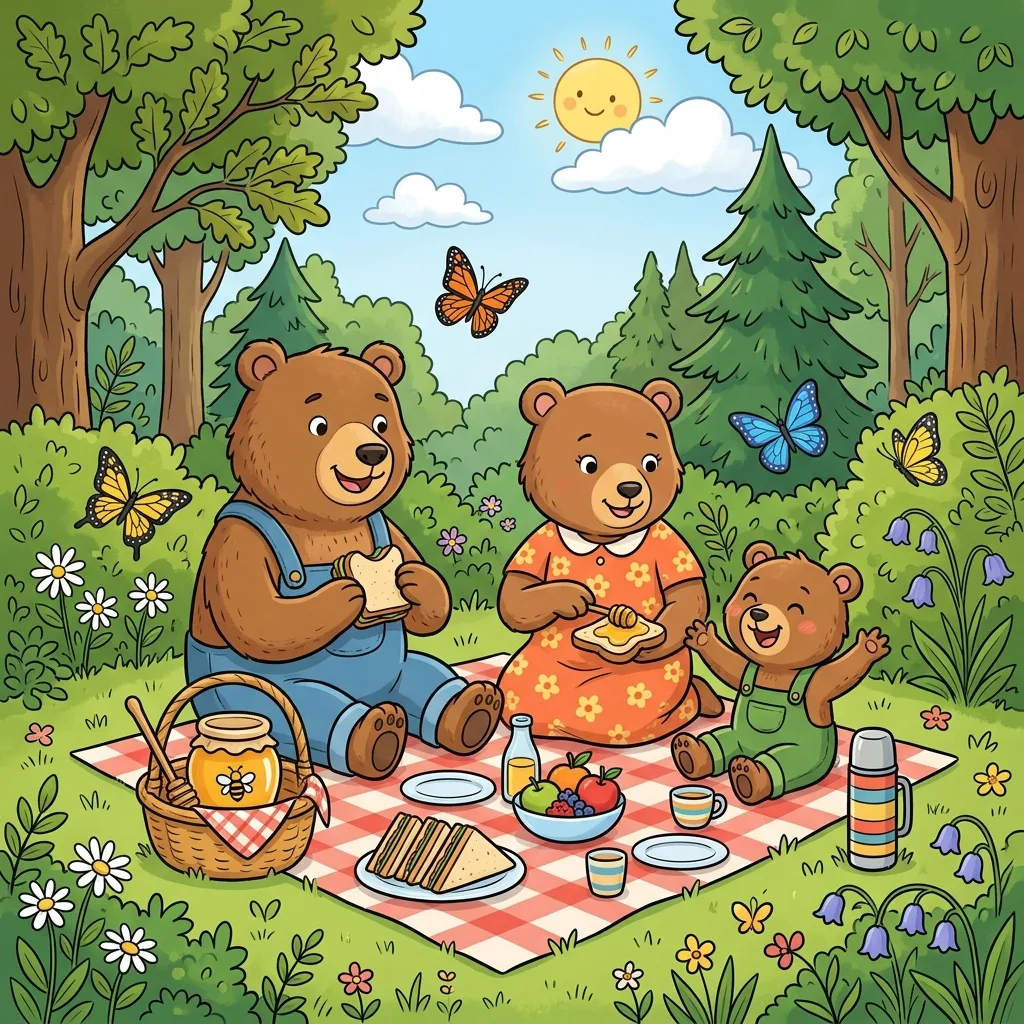
Why this format is quietly perfect for 3–5
Preschool is when visual discrimination — the ability to notice that two similar things are not identical — is under construction. It matters more than it sounds like it should: telling b from d, p from q, and was from saw is visual discrimination applied to print. Kindergarten screening tools test exactly this skill, usually with "find the one that's different" items that are spot-the-difference puzzles in disguise.
The format also happens to fit a preschooler's real attention span. A rough classroom rule of thumb is two to three minutes of focused attention per year of age — a well-sized puzzle with five differences lands neatly inside that window, with a built-in finish line ("we found all five!") that open-ended activities don't have.
What a preschooler actually does with a puzzle
Set expectations before you start, because a three-year-old will not silently solve anything. Realistically you'll see:
- Pointing and naming before any comparing — "Dog! Flower! Sun!" This is fine; it's vocabulary practice and it's how they load the scene into memory.
- Finding the loudest difference first — a missing object or a dramatic color change. The subtle ones need a hint.
- Random scanning — systematic left-to-right search strategies emerge around 5–6. Before that, they bounce. Don't correct it; strategy grows on its own with practice.
- Wanting to do the same puzzle again — repetition is a feature at this age, not boredom. The second run is a memory game.
Choosing puzzles that fit (the 3–5 spec)
- About 5 differences — enough for a sense of progress, few enough to finish.
- Big, bold, familiar objects — animals, vehicles, food. A preschooler can't spot a change to something they can't name.
- Bold difference types — an object that vanished, a color that flipped. Save resized and mirrored objects for older kids.
- One calm scene, not a busy one — visual clutter is the main thing that tips a puzzle from fun to frustrating at this age.
The sit-beside script
The best version of this activity is a conversation. A sequence that works:
- Tour the picture together first. "What do you see? Where's the bird?" — one minute of naming loads the scene into working memory.
- Frame the hunt. "Five things are different in this picture. Sneaky!" A countable mission beats a vague instruction.
- Take turns. You find one (slowly, thinking out loud: "hmm, wasn't this flower yellow?"), they find one. Your think-aloud is literally modeling the search strategy they'll internalize later.
- Ask for the sentence. "What happened to it?" — "The butterfly turned purple!" Every difference becomes language practice for free.
- Count down and celebrate. "Two left… one left… you found them ALL." The bounded ending is what makes them ask to play again.
Signs it's too hard — and how to scale down
Too-hard looks like: guessing wildly at things that are the same, giving up inside a minute, or pointing at the same object repeatedly. Don't push through it; shrink the task instead:
- Cover half of each picture with a sheet of paper — you've just halved the search area.
- Pre-circle one difference so the first win is guaranteed and the game's logic is demonstrated.
- Give warm/cold hints pointing at regions, not objects — "somewhere near the tree…"
In the preschool classroom
Teachers use the format three ways: as a table activity during arrival or transitions (one sheet and a crayon per child — circling the differences doubles as fine-motor practice), as partner talk for language goals ("tell your partner what changed — in a whole sentence"), and as a circle-time game with one puzzle printed large while children take turns coming up to point. Because generated puzzles are unlimited, no child ever gets a sheet they've already memorized.
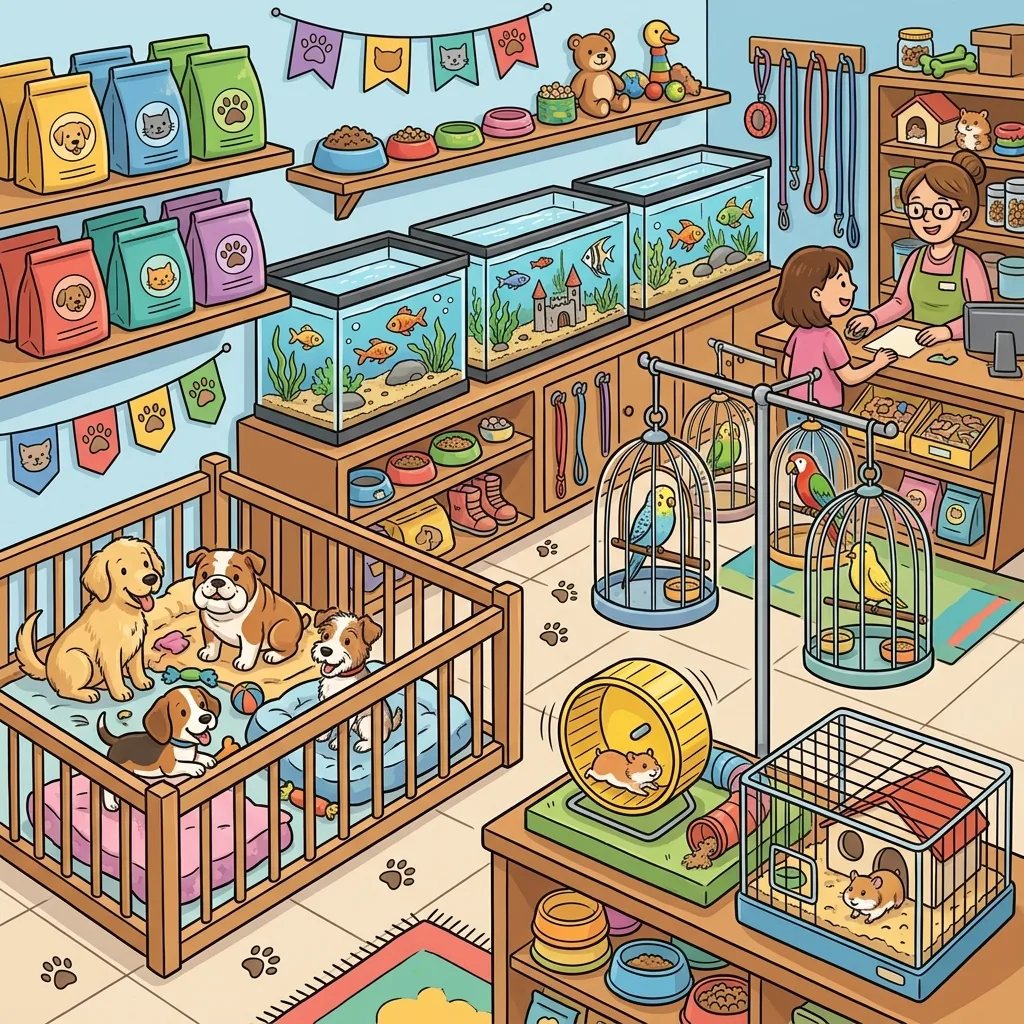
Choose the easy setting — big objects, 5 bold differences — in garden, ocean, space, or farm themes, with the answer key on its own page.
Open the free generator
After the hunt: three easy extensions
- Color the changes: the child colors only the objects that were different — a review round disguised as coloring.
- Tell the story: "Why did the frog move? Where did the star go?" Narrative practice from the same sheet of paper.
- Make your own: draw two simple faces, change one thing, and let them catch you. Preschoolers find this hilarious, and inventing a difference is harder thinking than finding one.
One last reassurance: none of this needs to be optimized. A puzzle at the kitchen table with someone who cheers at the fifth difference is already the whole method. For rainy afternoons, there's also a free online version you can play together on one screen — but at this age, the pencil version with you beside them is the one doing the developmental work.