Visual Scanning Activities for Stroke Recovery
Important: this article describes a commonly used activity format, not medical advice. Rehabilitation after stroke or brain injury should be guided by the person's occupational therapist, neuropsychologist, or vision specialist — show them this tool and let them decide how it fits the plan.
After a stroke or brain injury, many people experience changes in how they take in a visual scene: neglecting one side of space, losing their place while scanning, or fatiguing quickly during visual search. Therapists often prescribe structured visual scanning practice — tasks that require moving attention systematically across a page. Spot-the-difference puzzles are a natural fit, and therapists have used newspaper versions for decades. A generator improves on the newspaper in three specific ways.
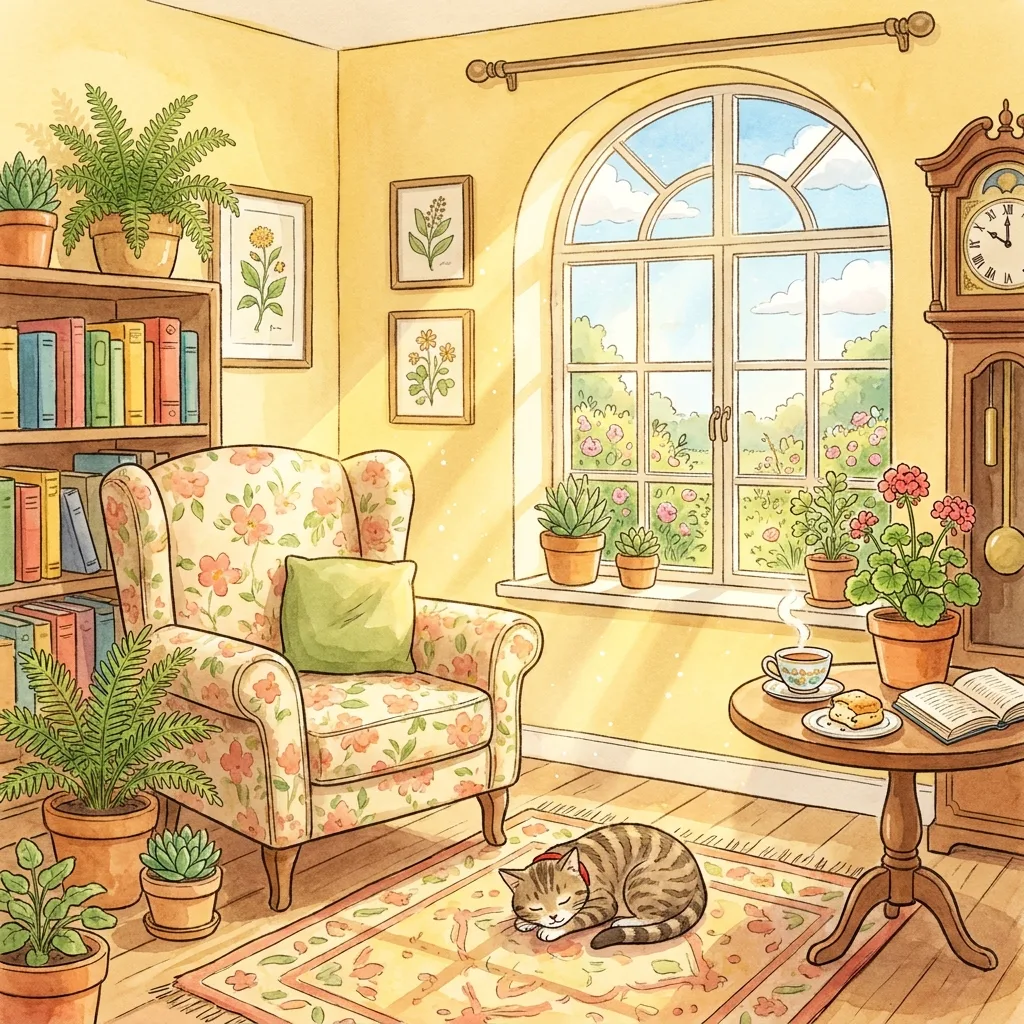
Why generated puzzles work well for scanning practice
- Difficulty is adjustable in small steps. Begin with easy scenes — a few large objects, bold differences — and add objects and subtlety only as skills return. A fixed puzzle book can't be graded like this.
- Unlimited fresh material. Scanning practice is typically daily and brief. Familiar puzzles lose their value (the person remembers, rather than scans); a generator supplies a new page every day indefinitely.
- The comparison format forces re-scanning. Checking picture B against picture A demands repeated, organized sweeps of both images — exactly the behavior being trained — rather than a single lucky find.
Setup suggestions used in practice
- Position the page at midline and, if one side of space is being neglected, anchor attention there first: a bright sticker or colored line at the affected edge gives a "start here" cue.
- Teach a scanning route. Left edge, top to bottom, then move one "column" right — like mowing a lawn. Have the person trace the route with a finger before hunting.
- Use the stacked layout. Our PDF places the two pictures one above the other, which keeps the comparison within a narrow horizontal span — often easier early on than wide side-by-side scanning. (The on-screen preview can show side-by-side later, as a progression.)
- Count out loud. "There are 5 differences; we've found 2." Externalizing progress reduces the working-memory load so effort stays on scanning.
- Stop before fatigue. Visual fatigue after brain injury is real and counterproductive. Two short sessions beat one long one.
A sensible difficulty progression
- Stage 1: Easy puzzles, 3–5 differences, helper points to the region containing a difference; the person confirms it.
- Stage 2: Easy puzzles independently, using the taught scanning route, untimed.
- Stage 3: Medium puzzles, 8 differences, still untimed. Note whether misses cluster on one side — useful information for the therapist.
- Stage 4: Hard puzzles or gentle time targets, if and when the therapist thinks challenge is helpful.
The answer key page (with each difference circled) makes it easy for a family helper to verify finds without debate, and the puzzle number lets you reprint the identical puzzle if the therapist wants to repeat a specific page week to week and compare performance.
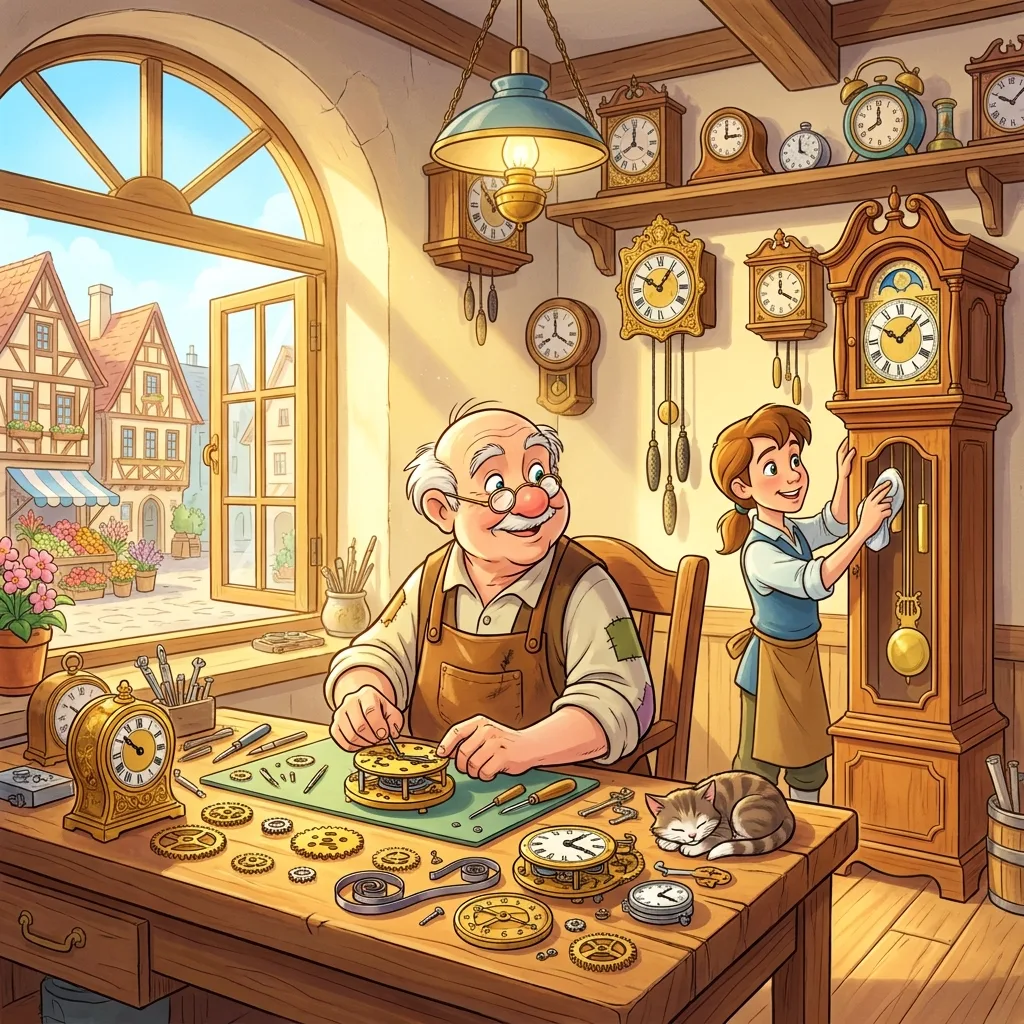
Start on Easy with 5 differences; every puzzle includes a circled answer key.
Open the free generator
One more use: the conversation
Families often say the hardest part of recovery is finding things to do together that aren't exercises-disguised-as-chores. A puzzle on the table is a shared activity first and practice second — and that ordering is usually why it actually gets done.