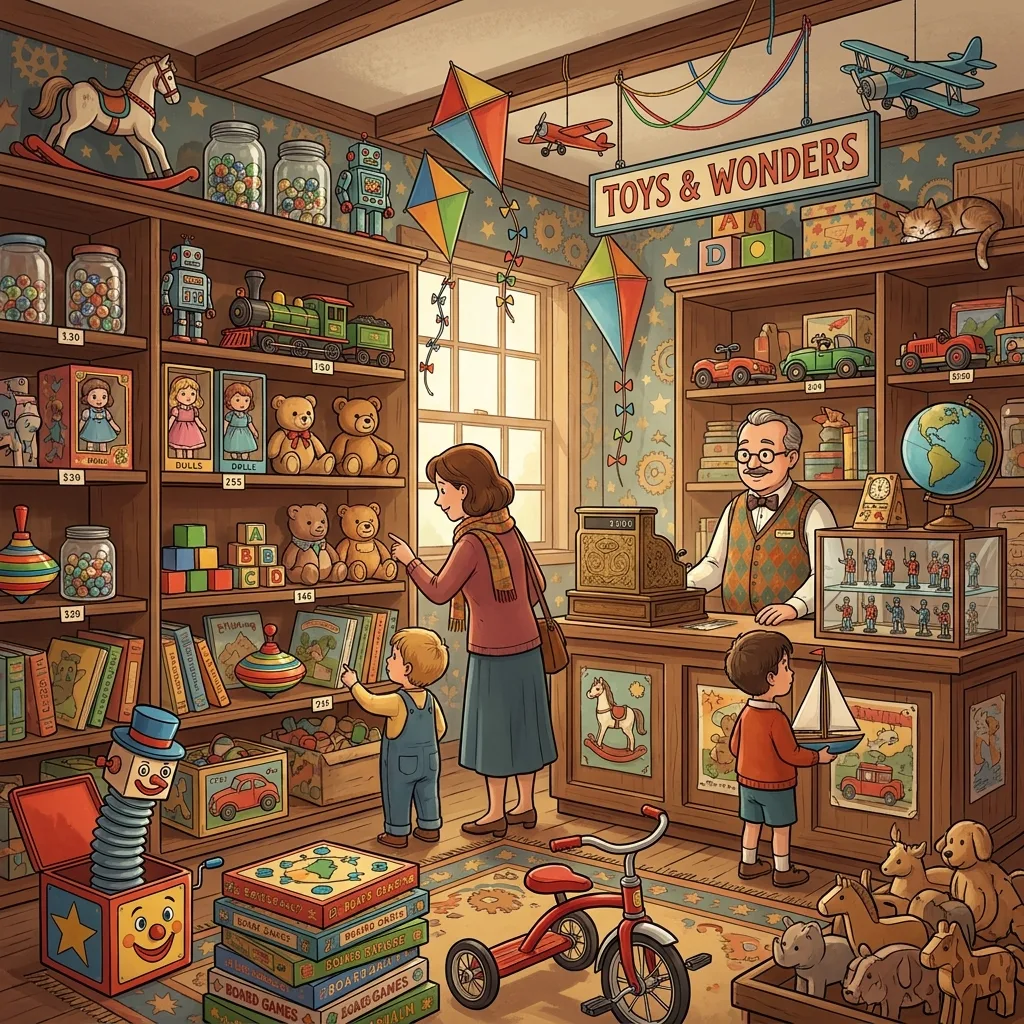
Visual Discrimination Worksheets for Kindergarten
What is visual discrimination?
Visual discrimination is the ability to notice that two similar things are not identical — to catch small differences in shape, size, color, orientation, and position. In kindergarten terms: seeing that b and d are different letters, that was and saw are different words, and that 6 and 9 are not the same number wearing a hat. It's one of the core visual perception skills screened before reading instruction, usually with "circle the one that's different" items.
Why it matters for reading
Print is a visual discrimination minefield. English asks five-year-olds to distinguish letter pairs that differ only by orientation (b/d, p/q, n/u), by one stroke (c/e, h/n), or by sequence (was/saw, on/no). A child whose eyes haven't practiced catching small visual differences will guess — and letter reversals that linger past the usual age are exactly what reading specialists and occupational therapists probe first. The good news: this is a trainable skill, and the training can be a game rather than a drill.
How spot-the-difference trains it
A spot-the-difference puzzle is a visual discrimination workout wearing a party costume. The child systematically scans a scene, holds a detail in working memory, compares it against the twin image, and judges same-or-different — the identical loop they'll run on letters and words, at a scale (big friendly pictures) where five-year-olds can succeed. It also trains the search strategy itself: watch a kindergartner go from random bouncing to left-to-right scanning over a few weeks of puzzles, and you're watching a pre-reading habit assemble itself. The developmental case in full is in our what puzzles teach kids guide.
The progression: pictures → shapes → letters
- Pictures first (this is where the free puzzles live). Scene-based spot-the-difference at easy difficulty: five bold differences, large familiar objects. This is the right entry point for all of kindergarten and most of pre-K — see our preschool guide for age-tuning.
- Shapes and patterns. "Circle the shape that's different in the row", matching pairs, pattern-block copying. The task shrinks from scene to row.
- Letters and words last. Same format, print-sized targets: find the b in a row of ds, match the word that's identical to the model. By the time you get here, the child has weeks of same-or-different practice behind them and the letters are just a smaller puzzle.
The order matters. Starting with letter worksheets (as most workbooks do) puts the hardest discrimination first; starting with pictures builds the muscle where the child can win from day one.
In centers and morning work
Teachers slot picture puzzles in three places: morning work (a puzzle on the table beats worksheet #400 for arrival buy-in), literacy centers (partner mode: one child describes the difference in a full sentence, the other finds it — free oral language practice), and the early-finisher folder (self-checking with the answer key; the full system is in our early finisher guide). Because generated puzzles are unlimited, the center never runs out and no child ever gets a page they've memorized.
What OTs look for
If a child consistently struggles — random scanning with no strategy at 6+, frustration within seconds, missing differences even when pointed to the region — that pattern is worth mentioning to an occupational therapist, who can grade the task down properly and check the underlying visual skills. Our OT visual perception guide covers how therapists decompose and grade exactly these activities.

Unlimited free picture puzzles at kindergarten-friendly difficulty — big scenes, bold differences, answer keys included. New pages every time.
Open the free generator
FAQ
At what age should a child be able to spot differences? Around 3–4, children can find bold differences (a missing object, a big color change) with help; by 5–6 most can independently finish an easy five-difference puzzle; subtle differences (size, orientation) come reliably around 7+. Wide variation is normal — the skill responds to practice more than to birthdays.
Do visual discrimination worksheets actually help with letter reversals? They build the underlying same-or-different skill, and the pictures→shapes→letters progression carries it toward print. Persistent reversals past age 7 deserve a conversation with the teacher or an OT rather than more worksheets alone.